Average Lifespan of Tanks in North Miami's Climate
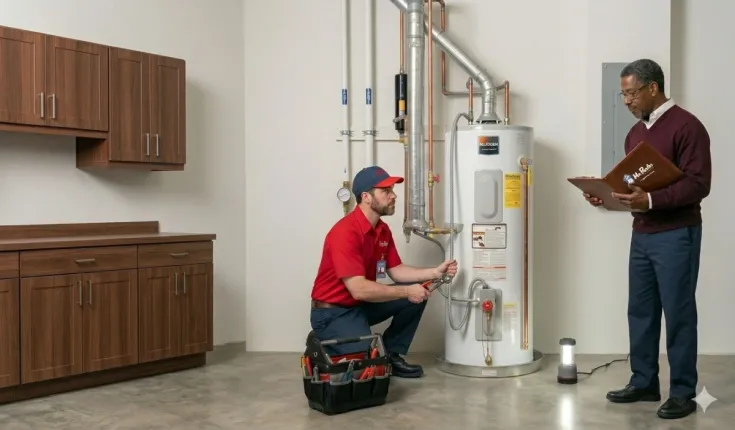
National averages put tank water heaters at 8 to 12 years, but South Florida conditions can cut the window down. Units in the area can show serious problems earlier than that. Humidity accelerates rust on external components, and the mineral load in local water eats through the anode rod faster than in drier regions.
Tankless units run longer, typically 15 to 20 years, since they don't store heated water against a corroding metal wall. However, tankless systems still need descaling every 12 to 18 months in hard water areas. Skipping maintenance clogs the heat exchanger and cuts efficiency.
Keep a note of your install date somewhere accessible. Once you cross the 7-year mark, budget for hot water heater tank replacement within the next two to three years. Waiting until the tank ruptures could mean paying for emergency service, water damage cleanup, and a rushed unit selection all at once.
Why Hard Water Shortens Tank Life
Some areas of North Miami have water with higher concentrations of calcium and magnesium. The minerals precipitate out when water heats up, settling at the bottom of the tank as sediment. A half-inch layer of sediment forces the burner or heating element to work harder, which drives up energy bills and cooks the tank floor from below.
The anode rod will take the brunt of the corrosion damage by design. It’s made of magnesium or aluminum, and it sacrifices itself to protect the steel tank lining from rust. In hard water, the rod can dissolve completely in three to four years instead of the usual five to seven. Once it's gone, corrosion attacks the tank walls. You can extend tank life by doing two things:
- Flush the tank annually to clear sediment before it builds up.
- Inspect the anode rod every two years and replace it once more than 6 inches of the core wire is exposed.
A licensed plumber handles both jobs in about an hour and spots early warning signs you might miss.
Repairs Worth Making on a Newer Unit
If your tank is under 7 years old, most component failures make financial sense to fix. Thermostats, heating elements, thermocouples, gas control valves, and pressure relief valves all run between $150 and $400 installed. Compare that to $1,500 or more for a new unit plus water heater tank installation, and repair wins by a wide margin. Common issues worth repairing on a newer tank include:
- No hot water from a failed heating element or pilot assembly.
- Lukewarm water caused by a bad thermostat or dip tube.
- Popping or rumbling noises from sediment that needs flushing.
- Small leaks at fittings from loose connections or worn washers.
If the tank is leaking from the body or bottom seam, no repair will save it. That's structural failure, and water heater replacement in North Miami is the only fix. A quick inspection from a licensed plumber confirms whether the leak comes from a fitting or the tank shell before you spend money on parts.
Repairs That Aren’t Worth the Cost on an Older Tank
Once a unit passes the 8-year mark, the math changes. Spending $500 on a repair for a tank that might fail within 18 months wastes money you could put toward a new system. The failure rate climbs sharply after year 8, and insurance claims for water damage from ruptured tanks routinely top $5,000. You may want to skip the repair and plan for replacement if you spot any of these on an older unit:
- Rusty water coming from the hot side only, indicating internal tank corrosion.
- Moisture pooling around the base with no fitting leak identified.
- Repeated pilot outages or element failures within a 12-month span.
- Loud banging that persists after a full flush.
Getting quotes from a hot water heater tank installer in North Miami before the tank fails gives you time to compare options.
Tankless Conversion as an Upgrade Option
Tankless systems heat water on demand instead of keeping 40 or 50 gallons hot around the clock. That translates to lower energy bills, usually 15 to 30% less than a comparable tank unit. They also free up several square feet of closet or garage space since the wall-mounted unit is roughly the size of a carry-on suitcase.
Conversion involves more than swapping equipment. Gas tankless units need a larger gas line and dedicated venting, while electric models require a 240-volt circuit sized for high amperage. Expect the installed cost to run $3,000 to $5,500 depending on your existing infrastructure and whether the unit is gas or electric. If you're facing water heater repair on an aging system anyway, converting to tankless during the swap could make better long-term sense than another traditional install.?
Do You Need a Water Heater Replacement in North Miami, FL?
Whether you need a same-day repair or want to price out a new system, our team handles it start to finish. We service every major brand, carry common replacement parts on the truck, and quote water heater tank installation and tankless conversions with no pressure. Call Mr. Rooter Plumbing to schedule your appointment with a hot water heater tank installer in North Miami.