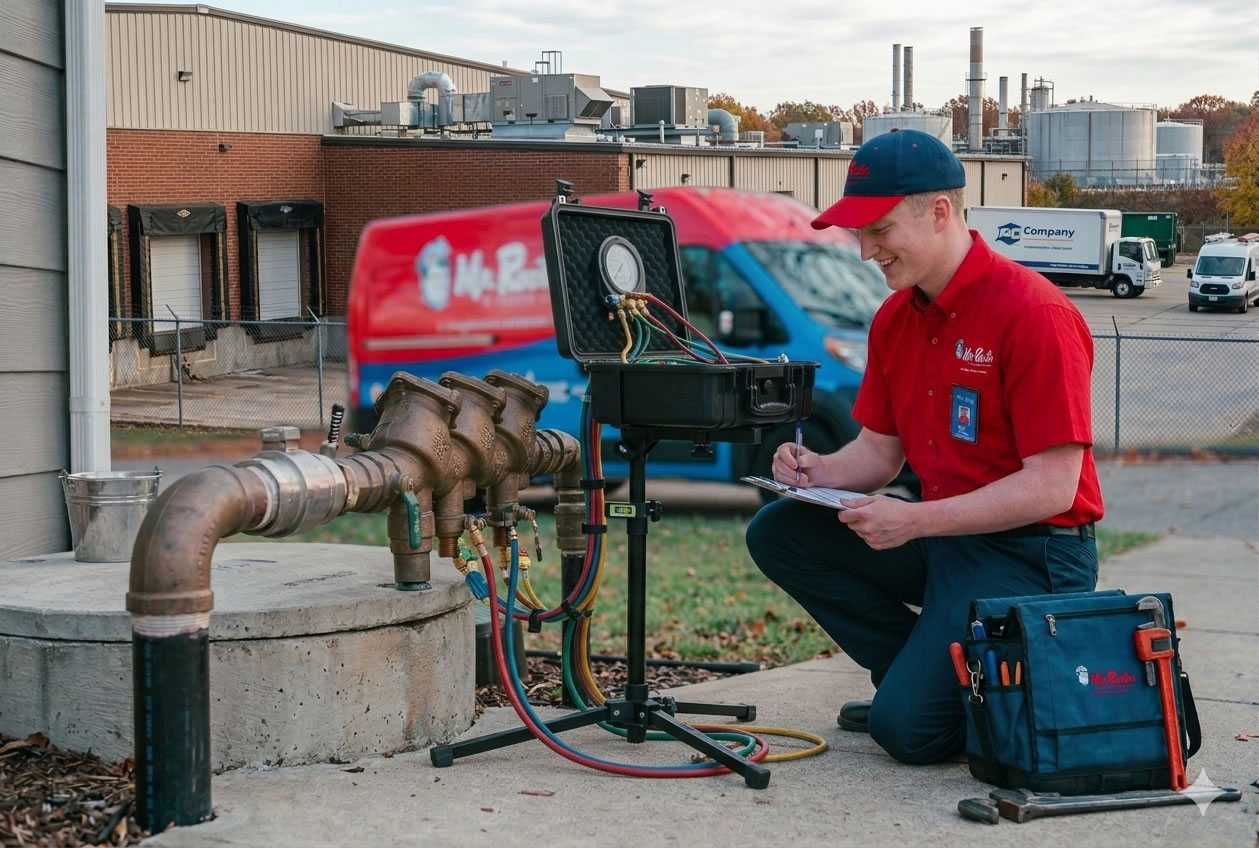
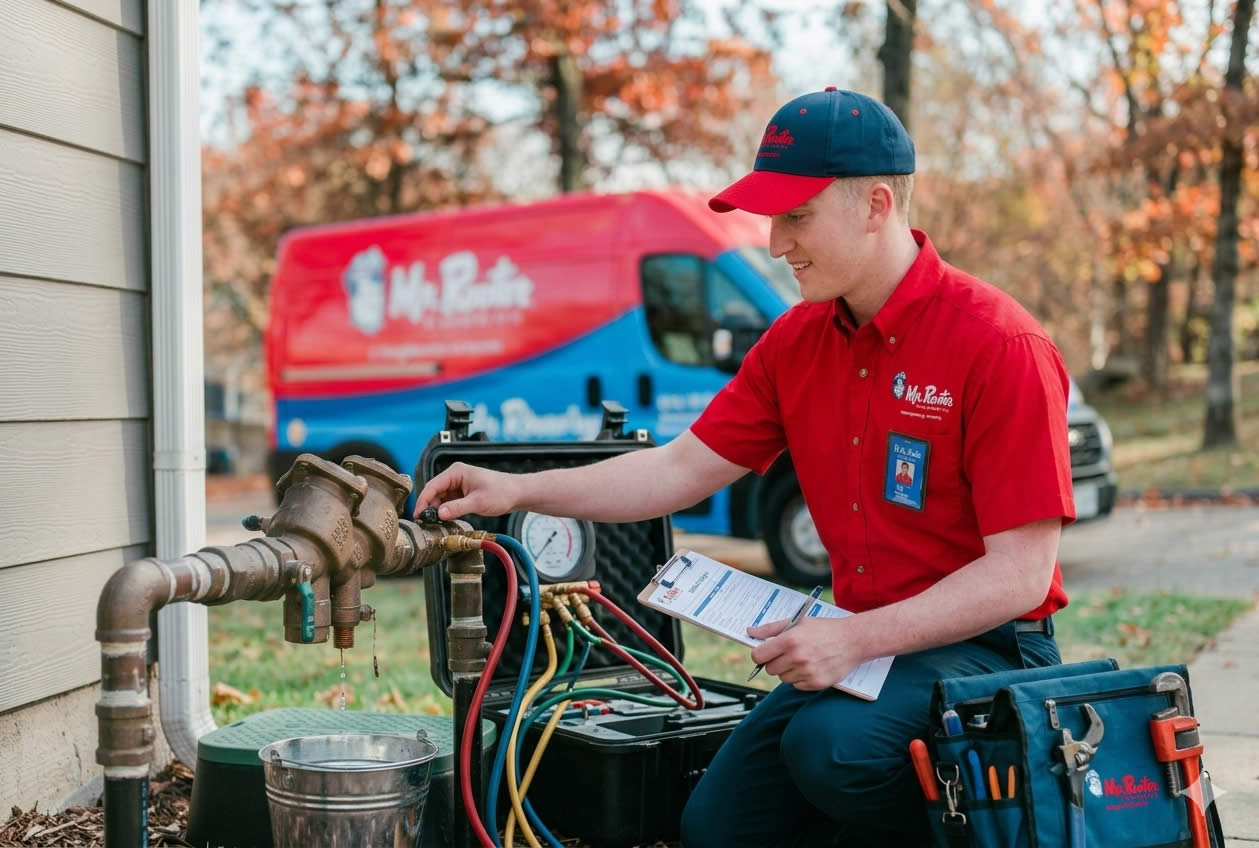
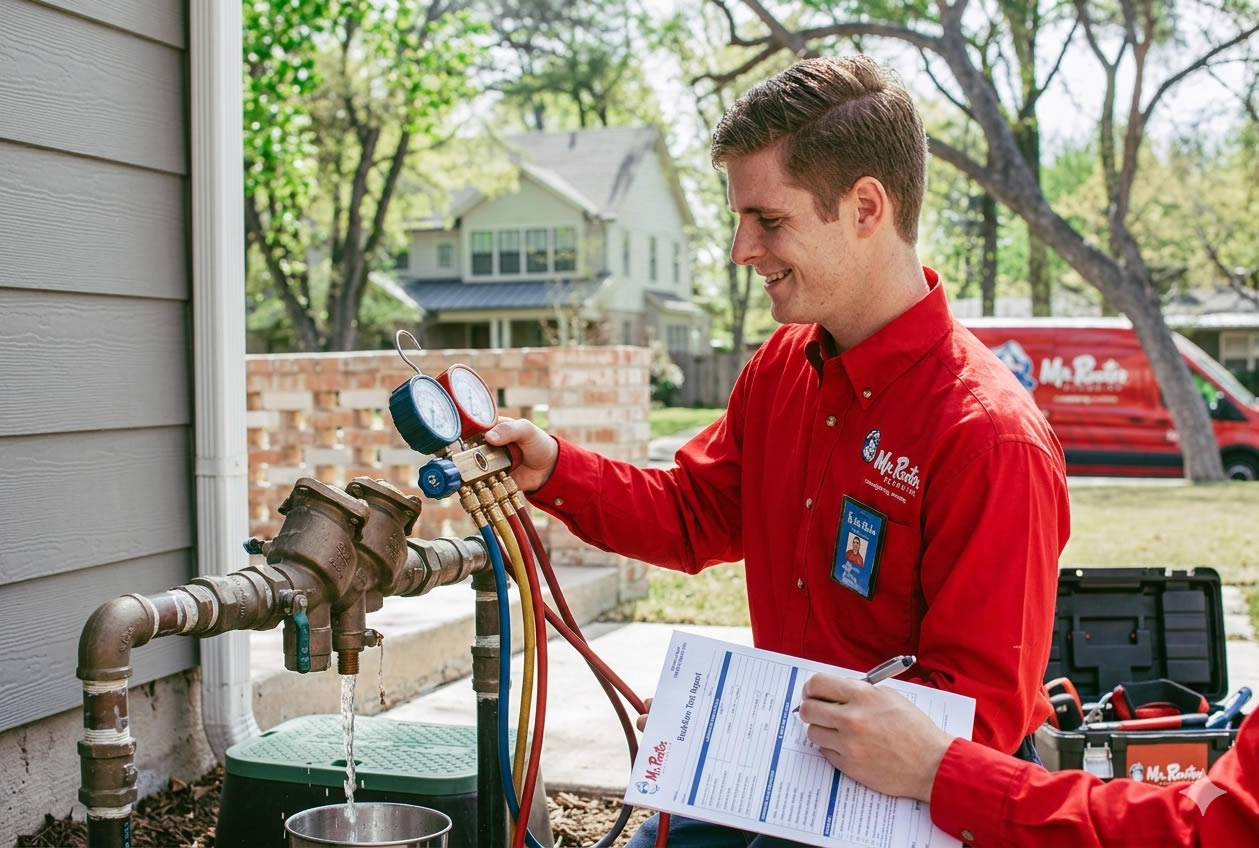
The test doesn't evaluate your entire plumbing system. It targets the backflow preventer specifically, which is the mechanical assembly that sits between your property's supply line and the public water main. That's the component your water authority cares about, and that's what the test is designed to confirm is working. Two common causes of device failure are worn elastomer seals and debris lodged in a check valve. Both are repairable, but neither will show up without a proper test.
The Difference Between a Backflow Test and a Full Backflow Inspection
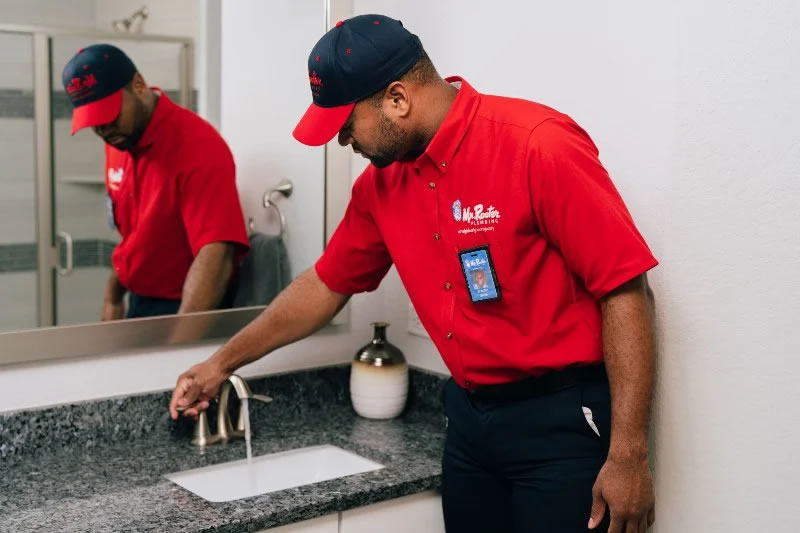
These two terms get used interchangeably, but they're not the same thing. A backflow inspection is a broader evaluation. During an inspection, a plumber in Margate, FL examines the device for physical damage, corrosion, improper installation, or signs of wear that could compromise performance. It's a visual and mechanical review of the assembly and its surroundings.
Backflow device testing is more specific. It uses calibrated test equipment to measure whether the device is working within required pressure tolerances. A device can look fine on the outside and still fail a pressure test. That's why both processes exist. One tells you what the device looks like, the other tells you if it works.
In most cases, your water authority is asking for the test, not just the inspection. The results get filed with the municipality on a standardized form, and the documentation is what closes out your compliance requirement. A backflow inspection may accompany the test, but the test report is what gets submitted. If your device hasn't been tested in more than a year, there's a reasonable chance your compliance record has already lapsed, even if the device appears to be in good condition.
Which Properties Are Required to Have a Backflow Prevention Device
Not every property in Broward and Palm Beach Counties carries this requirement. Water authorities apply it based on the level of risk a property poses to the public water supply. Properties that use water for purposes beyond basic household use fall into a higher-risk category and need to have a backflow prevention device. Properties that typically require a device include:
- Homes with an irrigation system connected to the public water supply
- Properties with a spa or swimming pool that has an automatic fill line
- Commercial buildings, especially those that handle chemicals, food production, or medical equipment
- Any property with a second water source, such as a well or reclaimed water connection
- Multi-family residential buildings
If your property has an irrigation system and you've never had a device installed, your water authority may require you to add one before backflow testing can even be scheduled. A dependable plumber can evaluate your setup and tell you what's needed. In Florida, the combination of irrigation systems and reclaimed water connections is common, and properties with both are almost always subject to annual testing requirements.
How Long a Backflow Test Takes and What the Results Mean
The test itself is quick. For a standard residential backflow preventer, the process typically runs 30 to 45 minutes from setup to completion. Commercial properties with larger or more complex assemblies can take longer, but most residential appointments wrap up in under an hour. You don't need to be home for the entire appointment in most cases, but someone should be available to provide access to the device at the start.
When the test is complete, the tester records the results on a state-approved form. A passing result means your device held pressure within the required range and all check valves functioned correctly. The report gets submitted to your water authority, and your compliance record is updated. You'll receive a copy for your records.
A failing result requires action. Depending on what failed, the device may need a seal replacement, a valve repair, or a full replacement of the assembly. Your water authority sets a deadline for bringing the device back into compliance, and backflow testing must be repeated after repairs to confirm the fix has held. Ignoring a failed result doesn't pause the requirement. It puts your water service at risk of being shut off until the issue is resolved. Most repairs that follow a failed test are minor, but they do need to be completed and verified by a certified tester before your record is cleared.
Do You Need Professional Backflow Device Testing?
If you've received a notice or you're not sure whether your property is in compliance, don't wait until your water authority follows up. Call Mr. Rooter Plumbing to schedule your backflow testing appointment. We serve residential and commercial customers throughout Broward and Palm Beach Counties.