Standing water in the basement after a heavy rain probably means the old sump pump has already lost the fight. Picking the wrong replacement could put you right back in the same puddle next season. Submersible and pedestal models each solve different problems. The one that fit your house ten years ago might not be the right call now. Mr. Rooter Plumbing helps local homeowners think through a sump pump replacement before the next storm rolls in. Keep reading to see how the two styles compare on lifespan, noise, cost, and flood conditions.
Compare How Each Pump Style Sits in the Basin
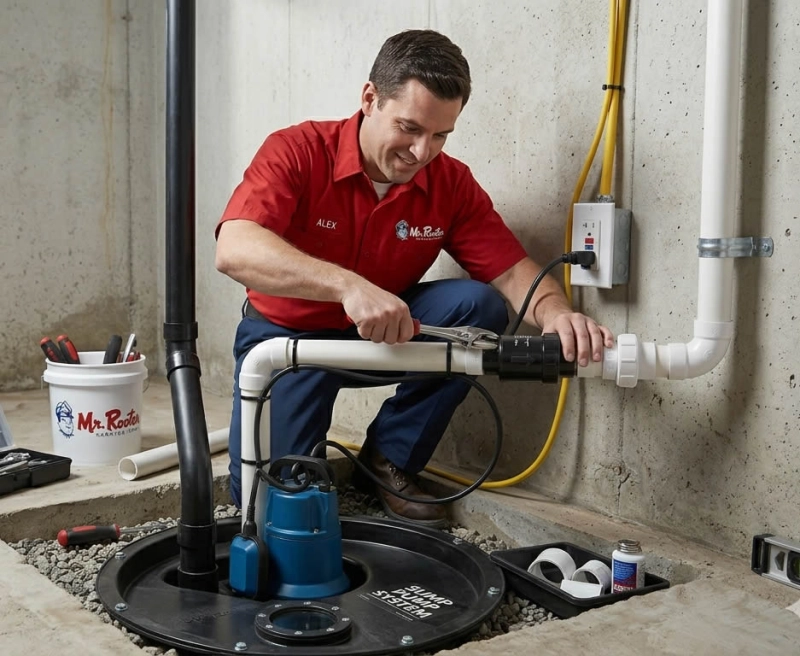
A submersible unit drops straight into the sump pit and runs while sitting underwater. The motor stays sealed inside a waterproof housing, and the whole assembly hides below the basin lid. A pedestal model works the opposite way. The motor perches on a tall shaft above the pit, and only the intake sits down in the water.
Pedestal pumps need vertical clearance, which rules them out for basements with low ceilings or finished storage areas built right over the basin. Submersibles tuck away under a sealed lid, which cuts down on humidity escaping into the room and keeps debris out of the pit.
For South Florida homes with shallow crawl spaces or slab-adjacent pits, the submersible layout wins on space alone. Homes with taller mechanical rooms and older, wider basins can still run a pedestal without trouble.
Weigh Lifespan Expectations Against Replacement Frequency
Pedestal pumps last longer on paper. The motor sits above the waterline, so it avoids the heat and moisture that wear out submersible windings. A well-maintained pedestal can go 25 to 30 years before the bearings give out. Submersible pumps typically last around 10 to 15 years. Although they're designed to operate underwater, their seals, bearings, and components gradually wear from frequent cycling and sediment.
However, lifespan on the spec sheet doesn't always match what happens in the pit. South Florida water tables are high, so pumps cycle constantly during summer storms. The workload shortens both styles, though pedestals still edge out submersibles in raw hours of service. Here's the tradeoff to weigh before you buy:
- Pedestal: Fewer replacements over two decades, but louder cycles every week
- Submersible: Quieter operation, sealed against debris, replacement roughly every decade
- Either Style: Expect shorter service life if the pit fills with silt or the check valve fails early
An experienced plumber can look at your current unit and check the impeller and float for clues about how hard the pit has worked the pump.
Factor in Noise Levels for Finished Basements and Living Spaces
Pedestal pumps put the motor out in open air, so the whine carries through the whole room. If your basement doubles as a bedroom, home office, or media space, the noise can turn into a frequent issue during the rainy season.
Submersibles run underwater, which muffles the motor. You'll hear the discharge line and the check valve click, but the pump body stays quiet. Finished basements almost always call for a submersible for this reason alone. A plumbing service company in Jupiter can spec the discharge line and lid together with the pump so the whole system runs at a lower volume.
Match Horsepower to Your Water Table and Storm Load
Horsepower ratings tell you how much water the pump moves per hour. A 1/3 HP pump can take on about 2,000 to 2,500 gallons per hour, which covers most inland homes. Properties closer to the coast, or those with finished basements below the water table, usually need 1/2 HP or even 3/4 HP to keep up during a tropical downpour.
Undersizing the pump can mean the float switch stays triggered for hours, which burns out the motor fast. Oversizing wastes electricity and cycles the pump on and off too quickly. The right size depends on three measurements:
- Vertical lift from the pit to the discharge point outside
- Length of horizontal pipe run after the vertical rise
- Peak inflow rate during a heavy storm, measured in gallons per minute
Look at Upfront Cost vs. Long-Term Value
Pedestal pumps cost less at the store. A basic pedestal runs $80 to $200, while comparable submersibles start closer to $150 and climb past $400 for cast iron models with piggyback float switches. Installation labor stays similar for both styles if the pit and discharge line already exist.
However, it’s important to consider the whole 20-year timeline. A pedestal might last that whole span with one bearing swap, while you'll likely buy two or even three submersibles in the same window. On paper, the pedestal saves money. In practice, the noise, the exposed motor, and the extra footprint push many homeowners toward the submersible anyway.
Check Which Style Works Best With a Battery Backup
Power outages happen more often during storms that make the pump run. A battery backup keeps the pit dry when the grid drops, and the pump style you pick affects how the backup wires in. Submersibles pair with backup units cleanly. Most backup pumps are themselves submersible models, and they drop into the same pit next to the primary. The two share the discharge line through a check valve tee.
Pedestal primaries can still run with a backup, but the pit needs room for a second unit down below. Older narrow basins sometimes force a choice between the pedestal and the backup, since both compete for space. If your pit measures less than 18 inches across, a submersible primary paired with a submersible backup fits far better.
A plumbing service that installs sump systems regularly will size the pit, the primary, and the backup together. Retrofitting a backup onto a mismatched pit later costs more than doing the sump pump replacement as one project.
Do You Need to Replace Your Sump Pump Before the Next Storm?
Call Mr. Rooter Plumbing today to schedule your sump pump replacement and get ahead of hurricane season. Our team pulls the old unit, measures your pit, and installs the pump style that matches your home's water table, basement layout, and backup needs.