- Water heater failures from sediment buildup in tanks older than eight years
- Toilet flange leaks caused by foundation settling are common in coastal soil
- Garbage disposal jams from fibrous foods like celery and corn husks
Each of these problems has a specific fix, and catching them early prevents a $200 repair from becoming a $2,000 one.
Why Older Pipes Need a Different Method
Homes built during the 1960s and 70s often still run on galvanized steel or cast-iron pipes. These materials rust, and by the time a homeowner notices brown water or weak pressure, the pipe interior may already be down to half its original diameter. Replacing a section without checking the rest of the line just delays the next failure.
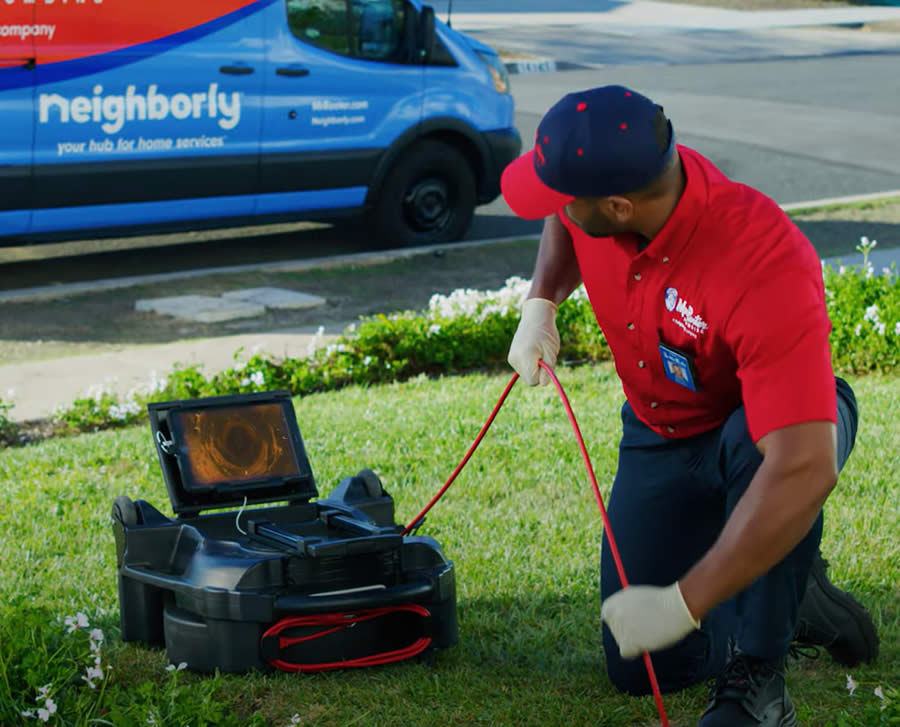
Cast-iron drain lines pose a different risk. They crack under the weight of decades of ground shifting, and a crack at a foundation joint can leak for months before a sign reaches the surface. We use camera inspection to pinpoint the exact location of a break, instead of guessing while tearing into multiple walls.
Older plumbing also wasn't designed for today's water usage. A family that’s running two bathrooms, a dishwasher, and a washing machine puts more demand on pipes from fifty years ago. The mismatch can show up as slow drains and inconsistent hot water.
Emergency Plumbing Service in Miami Gardens
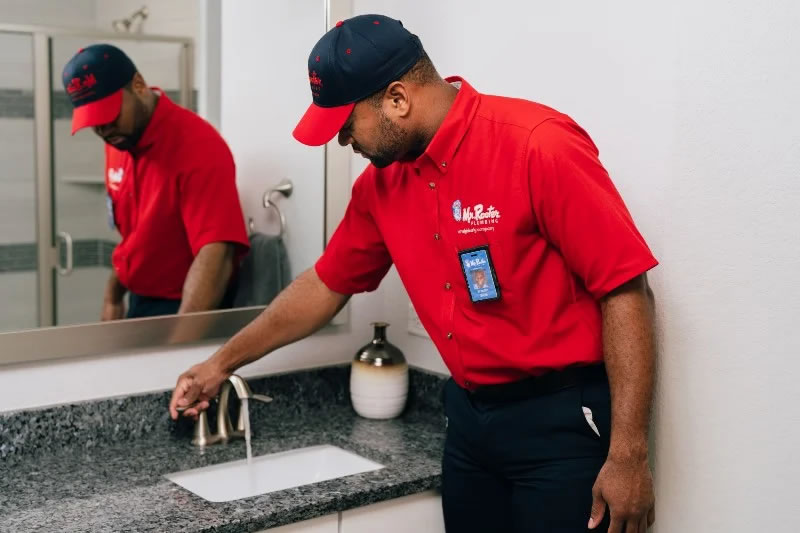
An emergency plumbing service in Miami Gardens covers the calls that can't sit overnight, like flooding from a failed water heater or a sewer backup filling a bathtub. We dispatch a qualified plumber to inspect the damage and stop the source of the leak before it spreads to flooring, drywall, or electrical systems.
Quick response is important because water damage can get out of control fast. A leak that’s left running for six hours can soak through subflooring and require remediation, whereas a same-day repair might have saved the materials. Mold growth starts within 24 to 48 hours in humid Florida air, which turns a plumbing repair in Miami Gardens into a renovation project if it's ignored. If you're dealing with any of the following, call right away instead of waiting until morning:
- Water actively pooling on floors or ceilings showing brown stains
- No water pressure anywhere in the house, which often points to a main line break
- Sewage odor combined with slow drains in multiple fixtures at once
How to Choose a Local Plumber You Can Count On
Licensing and insurance aren't optional extras. Plumbers in Miami Gardens should hold a state certification, and working with someone unlicensed leaves you responsible for damage caused during the job. Ask to see proof before work starts.
A licensed plumber who explains the problem in plain terms, shows you photos from a camera inspection, and gives you a written estimate before starting work is one worth keeping on your contact list. Pricing that shifts after the job starts is one of the most common complaints homeowners report about contractors in general, plumbing included.
Look for a plumbing service with a good track record. A professional plumber who's worked on multiple homes in your area already knows the common pipe materials, the typical age of construction, and the local permitting requirements.
Are You Looking for Residential or Commercial Plumbers in Miami Gardens, FL? Call Mr. Rooter Today
If your water heater is leaking, your drains are backing up, or you want a second opinion before a big plumbing repair in Miami Gardens, give Mr. Rooter Plumbing a call. We offer residential and commercial plumbing, from single-fixture repairs to full system replacements. Our team shows up ready to explain what's wrong and what it'll take to fix it.
FAQs
1. How Can Hard Water Buildup Affect Plumbing Pipes and Water Pressure in Miami Gardens Homes?
Hard water can leave behind mineral deposits inside pipes, faucets, showerheads, and other plumbing components. As these deposits accumulate, they can narrow the passage through a pipe and restrict water flow, which may gradually reduce pressure at certain fixtures. Mineral buildup can also affect water heaters by collecting around heating components and reducing their performance. Homeowners may notice weaker showers, slower-filling fixtures, or white deposits around faucets. If several fixtures experience reduced flow, the problem may be deeper within the plumbing system. A professional inspection can determine whether mineral buildup, pipe deterioration, or another issue is affecting water pressure. When you’re looking for a trusted plumbing company to address your plumbing issues, get in touch with Mr. Rooter Plumbing.
2. What Are the Signs That Old Galvanized or Cast-Iron Pipes Need Professional Attention?
Rust-colored water, recurring leaks, reduced water pressure, slow drains, unusual odors, and visible corrosion can all indicate that older galvanized or cast-iron plumbing needs attention. Galvanized pipes can corrode internally as their protective coating deteriorates, gradually restricting water flow. Cast-iron drain pipes can also develop cracks, corrosion, or weakened sections as they age. A property may continue functioning normally for years before several symptoms begin appearing together. If an older Miami Gardens home has its original plumbing, a professional plumber can inspect accessible pipes and recommend repairs or replacement based on their actual condition rather than waiting for a major failure.
3. How Can Tree Roots Get into A Sewer Line and Cause Repeated Backups?
Tree roots can enter sewer lines through small cracks, loose joints, or damaged sections of underground pipe while searching for moisture and nutrients. Once inside, roots can grow around the interior of the pipe and catch toilet paper, grease, and other debris moving through the line. This can create recurring blockages even after the drain has been cleared. Slow drains, repeated sewer backups, gurgling fixtures, and sewage odors may point toward root intrusion. If the same sewer problem keeps returning, a camera inspection can show whether roots have entered the line and whether the pipe itself has additional damage requiring repair.
4. What Symptoms Can Indicate a Slab Leak Beneath a Miami Gardens Home?
A slab leak may cause warm or damp flooring, unexplained increases in water usage, the sound of running water when fixtures are off, low water pressure, or water collecting in unexpected areas. Some homeowners notice changes in flooring or persistent moisture before realizing that a pressurized water pipe beneath the slab may be leaking. Because the plumbing is below the structure, locating the exact source can be difficult without specialized testing. Ignoring a concealed leak can allow water to affect flooring, walls, or other building materials. Professional leak detection can help narrow down the location so the appropriate repair can be planned. Get in touch with the pros at Mr. Rooter Plumbing when you need slab leak detection in Miami Gardens.
5. Why Might Water Pressure Gradually Decrease in An Older Plumbing System?
A gradual loss of water pressure can occur when aging pipes become restricted by corrosion, mineral deposits, or internal buildup. Older galvanized plumbing is particularly susceptible to internal corrosion that reduces the available space for water to pass through. A failing pressure regulator, partially closed valve, hidden leak, or problem with the incoming water supply can also contribute to pressure changes. When the reduction happens throughout the house rather than at one faucet, the cause may be somewhere within the main plumbing system. A plumber can evaluate pressure at different points and inspect the system to determine whether a repair or pipe replacement is appropriate. Mr. Rooter Plumbing is here to help you restore your home’s water pressure to the acceptable range.
6. How Can Humidity and Moisture Contribute to Corrosion Around Plumbing Fittings?
Persistent moisture can cause exposed metal plumbing components and fittings to deteriorate, particularly when condensation repeatedly forms around connections. Corrosion may appear as discoloration, rust, flaking material, or deposits around valves and pipe joints. In areas with high humidity, poorly ventilated spaces can remain damp for extended periods, giving corrosion more opportunity to develop. A small amount of corrosion does not automatically mean a fitting is about to fail, but worsening rust or moisture around a connection deserves attention. Checking exposed plumbing periodically can help homeowners identify deteriorating components before a weakened connection develops into a leak.
7. When Should an Aging Water Heater Be Repaired or Replaced?
An aging water heater may still be repairable when the problem involves a replaceable component such as a valve, heating element, thermostat, or other serviceable part. Replacement becomes more relevant when the tank itself is leaking, corrosion is extensive, repairs keep recurring, or the unit has reached the later part of its service life. Rust-colored water, inconsistent temperatures, unusual noises, and water around the tank can indicate developing problems. Rather than automatically replacing an older heater after one minor issue, homeowners can have the unit inspected and compare the condition and repair history with the cost of continued service.
8. What Causes a Toilet Flange to Leak Around Its Base?
A toilet flange can leak when the connection between the toilet and the drain is damaged, improperly sealed, loose, or affected by deterioration around the flange itself. A worn wax seal is another common reason water appears around the base after flushing. In some cases, the toilet may rock because the flange or surrounding flooring has weakened, which can place additional stress on the connection. Water around the toilet should not be ignored simply because the leak is small. A plumber can determine whether the issue is limited to the seal or whether the flange, toilet connection, or surrounding structure also needs repair.
9. How Can Homeowners Prevent Garbage Disposal Jams Caused by Food Waste?
Keeping fibrous, stringy, greasy, or unusually hard food scraps out of the garbage disposal can reduce the risk of jams. Items such as large bones, excessive grease, tough vegetable fibers, and certain hard food waste can place unnecessary strain on the disposal or contribute to drain blockages. Food should be introduced in manageable amounts while the disposal is running with plenty of cold water, according to the manufacturer's recommendations. Homeowners should also avoid treating the disposal as a replacement for a trash can. If the unit repeatedly jams despite proper use, the disposal or connected drain may need professional attention.
10. What Does a Professional Camera Inspection Reveal About an Aging Sewer Line?
A sewer camera inspection provides a view inside the underground pipe that cannot be obtained by simply checking fixtures inside the home. The camera can reveal root intrusion, cracks, separated joints, heavy buildup, corrosion, blockages, and sections of pipe that have collapsed or deteriorated. It can also help identify where a problem is located, which is useful when planning sewer repair. For an older Miami Gardens property experiencing recurring backups or drainage problems, the inspection can provide more information about the actual condition of the line. This helps distinguish a temporary blockage from a larger sewer pipe problem.
11. When Is Emergency Plumbing Service Necessary for A Sewer Backup?
Emergency plumbing service may be necessary when sewage is backing up into toilets, tubs, showers, floor drains, or other areas of the home. A serious backup can prevent normal use of the plumbing system and expose the property to contaminated wastewater. Homeowners should stop using fixtures connected to the affected drainage system and keep people and pets away from contaminated areas. Repeated backups can indicate a blocked or damaged main sewer line rather than an isolated fixture clog. Professional service can determine where the obstruction is located and whether drain cleaning, sewer repair, or another solution is needed.
12. How Can Replacing an Old Section of Pipe Affect Recurring Plumbing Problems Elsewhere in The System?
Replacing one deteriorated pipe section can resolve the immediate failure, but it does not automatically correct problems caused by other aging portions of the plumbing system. For example, if several sections of an older system have corrosion or weakened joints, repairing one leak may be followed by another problem elsewhere. That does not mean every older pipe must be replaced at once. Instead, homeowners can ask a plumber to assess the surrounding plumbing and identify whether additional sections show similar deterioration. Looking at the condition of the wider system can help with planning repairs rather than repeatedly responding to isolated failures.
13. What Plumbing Warning Signs Should Homeowners Address Before They Become Expensive Repairs?
Small plumbing changes can provide useful clues that something is developing beneath the surface. Persistent dripping, damp cabinets, water stains, slow drains, sewer odors, unusual noises, recurring toilet problems, reduced water pressure, and unexplained increases in water usage are worth investigating. A minor leak may eventually damage flooring or cabinetry, while a recurring drain problem can point to a larger blockage farther down the system. Homeowners do not need to wait for a major failure before calling a plumber. Addressing unusual changes early can make it easier to identify the source and determine what repair is actually needed. For professional plumbing repair in Miami Gardens, reach out to Mr. Rooter Plumbing today.
14. What Services Can a Commercial Property Owner in Miami Gardens Request from A Professional Plumber?
Commercial plumbing services can cover many needs, including drain cleaning, sewer line work, water heater service, leak detection, fixture repairs, pipe repairs, water pressure issues, and plumbing inspections. The appropriate service depends on the property's size, plumbing layout, business operations, and type of problem. Restaurants, offices, retail properties, multifamily buildings, and other commercial spaces can have very different plumbing demands. A commercial property owner should describe the symptoms and affected areas when requesting service so the plumber can determine what type of inspection or repair is needed. Regular maintenance can also help businesses identify developing plumbing issues before they interrupt daily operations.
15. How Can Routine Plumbing Inspections Help Protect Older Miami Gardens Properties?
Routine plumbing inspections can reveal deteriorating pipes, leaking connections, aging fixtures, drainage problems, and other concerns before they develop into major failures. This can be particularly useful for older properties where some plumbing components may have been installed many years ago. An inspection can include accessible supply pipes, drains, shutoff valves, water heaters, toilets, faucets, and other plumbing components, with additional testing when the symptoms call for it. Homeowners can then prioritize repairs based on the condition of the system. For a Miami Gardens property with recurring plumbing issues, periodic inspections can provide a clearer picture of what needs attention and what can continue operating as it is. If you’re in need of plumbing inspections in Miami Gardens, reach out to Mr. Rooter Plumbing.