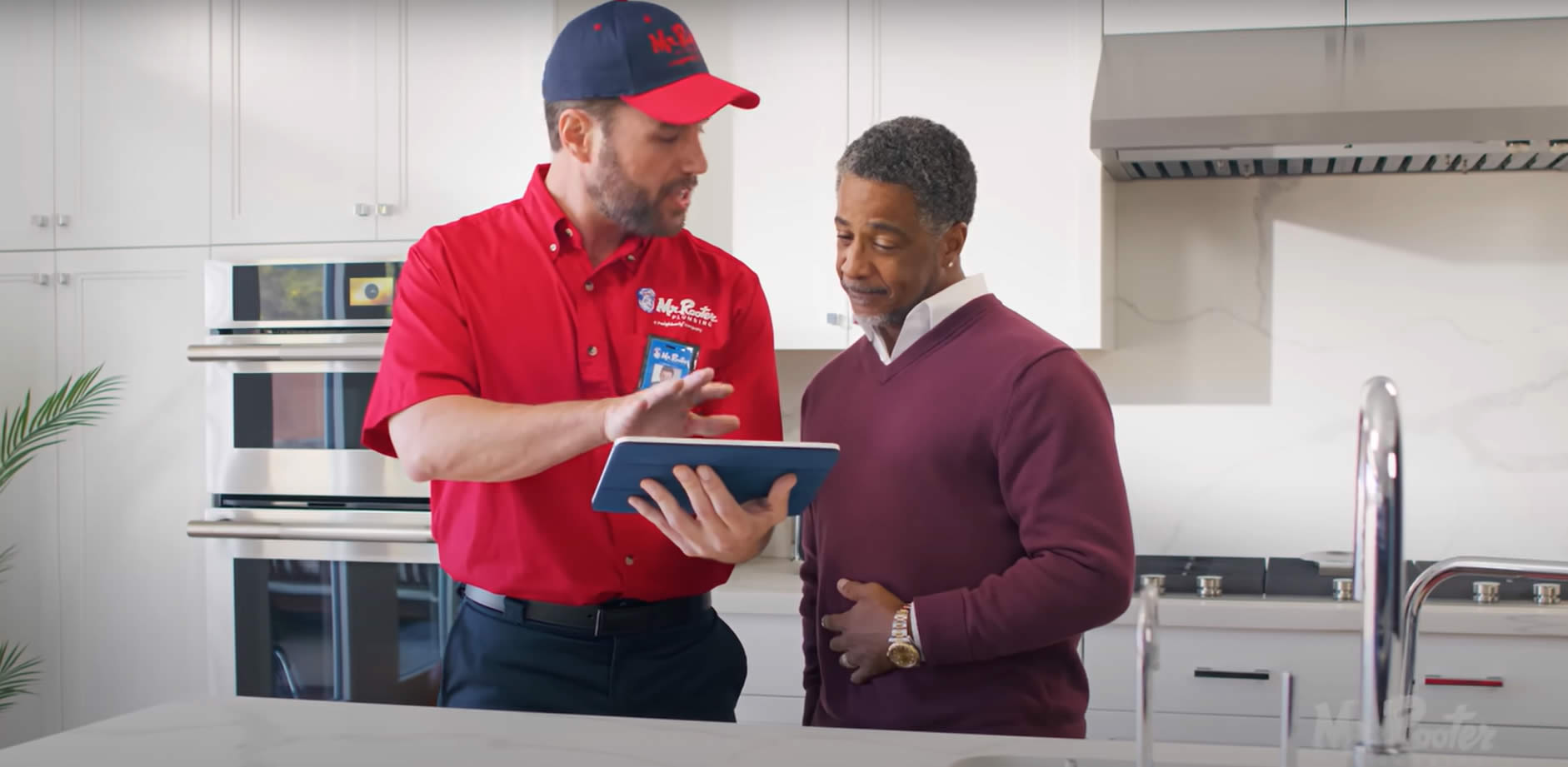
A smelly kitchen sink is a frustrating plumbing problem, largely because chemical cleaners probably won’t solve it for long. Bottled products can also damage older cast iron and PVC pipes, especially at the joints. The real culprit is a mix of food residue, grease, and biofilm building up along the walls of the drainpipe and P-trap. Chemical-free drain cleaning methods clear the buildup without pipe damage. Mr. Rooter Plumbing offers professional services and inspections for kitchen sinks with persistent odor problems. Keep reading for the simple methods for keeping drains fresh, why chemical cleaners cause more problems than they solve, and when it's time to call a licensed plumber.
The Cause of Kitchen Sink Odors
The sour, swampy smell drifting up from your sink is coming from a sticky layer of biofilm coating the inside of your pipes. Grease from cooking oils, tiny bits of food, soap scum, and coffee grounds cling to the pipe walls and start to ferment. Bacteria multiply inside this coating and release sulfur gas, which is why the odor resembles rotten eggs or spoiled milk.
The P-trap under your sink holds a small pool of water that blocks sewer gas from rising into your kitchen. When residue collects on the sides of the trap, or when the water level drops from a rarely-used sink, odors escape into the room. The garbage disposal adds to the trouble because food wedges under the splash guard and inside the grinding chamber.
Rinsing the sink basin with soap does nothing for buildup two feet down the pipe. You have to break apart the biofilm at the source, and that requires methods that reach past the drain opening.
Why Chemical Drain Cleaners Aren’t the Solution
Reaching for a bottle of caustic cleaner might clear a slow drain for a day or two, but the ingredients can also corrode the pipes on their way through. Sodium hydroxide and sulfuric acid generate heat as they react with organic matter, which softens PVC and eats away at the rubber gaskets sealing your joints. Cast iron pipes can pit and rust from repeated exposure.
The smell also comes back because these products don't strip biofilm from the pipe walls. They create a hole through the clog and move on. Bacteria repopulate the coating within days, and you're back to buying another bottle.
Hot Water as a Weekly Maintenance Rinse
A slightly cooled kettle of hot water poured down the drain melts grease deposits so they don’t harden into a full blockage. Do this once a week, and you'll disrupt the film that the bacteria need to grow. Pour slowly in two or three stages so the heat has time to work on the coating rather than rushing past it.
Skip this method if your pipes are PVC and you've had recurring problems, since repeated boiling water can soften certain joints. Hot tap water works as a gentler alternative, though it takes longer to loosen buildup. Run the hot tap for two full minutes after washing greasy pans to push residue past the P-trap and into the main line.
This rinse works best as prevention rather than a cure. Once a drain is already backed up, water sits in the basin and cools before it reaches the clog, which limits how much grease it can dissolve.
Baking Soda and Vinegar for Grease Breakdown
Baking soda scrubs the pipe walls with its mild abrasive texture, and vinegar's acidity dissolves grease and mineral deposits. Together, they foam up and physically dislodge the gunk clinging to your pipes. This combination is safe for every pipe material in a standard kitchen and costs less than a dollar per treatment. Here's the method that gets results:
- Pour one cup of baking soda into the drain, and push any that lands in the basin down with a spoon
- Follow that with one cup of white vinegar and cover the drain with a plate to trap the reaction
- Wait fifteen minutes while the mixture works on the buildup
- Flush with a full kettle of hot water to carry the loosened residue out to the main line
Run this treatment every two weeks on a sink that gets heavy cooking use. For a lightly used prep sink, once a month keeps the pipes fresh. If odors return, the buildup has probably spread past what a home treatment can reach, and you'll want a professional drain cleaning in Palm Beach Gardens.
Salt and Ice for Cleaning the Garbage Disposal
Your disposal grinds food, but the chamber walls collect a slimy film that produces an odor. Coarse salt combined with ice cubes scours the interior without dulling it. The ice chips also knock loose any hardened debris stuck to the grinding ring.
Drop two cups of ice cubes into the disposal, add half a cup of rock salt or kosher salt, and run the disposal with cold water until the ice is gone. The scraping sound is normal and means the abrasive is doing its job. Follow up by pulling back the rubber splash guard and wiping the underside with a soapy sponge, since this is where most disposal odors originate.
Never stick your hand into the disposal chamber, even with the power off. Use tongs to remove any lodged items, and call a plumber if something metal falls in and jams the flywheel.?
Citrus Peels for Neutralizing Kitchen Sink Smells
Lemon, lime, and orange peels contain oils that mask odors and leave a clean scent behind. Running a handful of peels through the disposal with cold water freshens the chamber and coats the blades in a light layer of citrus oil that resists bacterial growth.
Cut the peels into one-inch pieces before dropping them in so the disposal can process them without straining the motor. Grapefruit and orange peels work better than lemon because they're thicker and provide more scrubbing action against the chamber walls. Save your peels in a bag in the freezer, and you'll have a supply ready whenever the sink starts to smell.
This method treats the symptom rather than the cause. Citrus won't dissolve grease deposits or clear biofilm from deeper in the pipe, so pair it with the baking soda treatment for lasting results.
When Persistent Odors Point to a Bigger Plumbing Problem
If the smell persists, the problem is beyond what DIY methods can handle. A dry P-trap, a broken vent stack, or a partial clog in the main line all produce kitchen odors that no amount of baking soda will fix. Sewer gas leaking through a cracked pipe joint smells similar to biofilm buildup, and only a camera inspection can tell them apart. Schedule a plumbing service when you notice any of these signs:
- Gurgling sounds from the drain when other fixtures run
- Water backing up into the sink from the dishwasher
- Odors that spread to nearby bathrooms or laundry areas
- Slow drainage that returns within days of clearing
Is It Time to Schedule a Professional Plumbing Service?
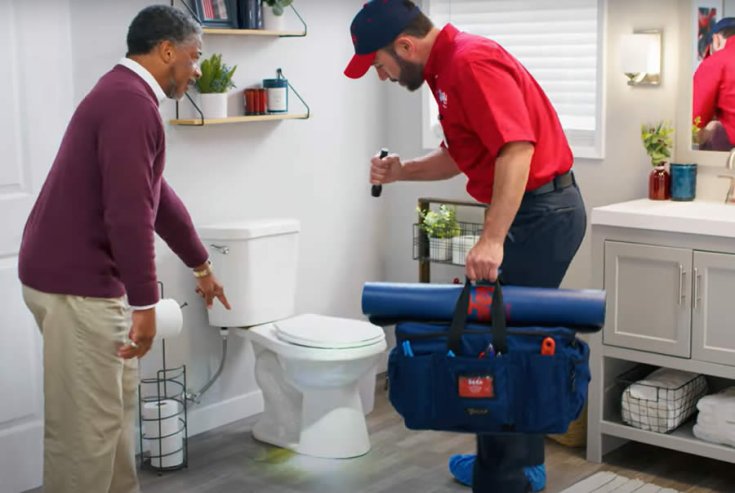
Mr. Rooter Plumbing provides camera inspections and hydro-jetting services that strip pipes clean without chemicals. Schedule your appointment today, and put the odor problem behind you. Our licensed plumbers show up on time and explain the fix before starting.