A shower that drips, won't heat up, or leaves you standing in ankle-deep water takes the relaxation out of your day. These problems start small but tend to get worse, and what seems like a minor annoyance can signal bigger issues with your plumbing. When you need shower repair in Wellington, getting it handled quickly prevents water damage, mold growth, and higher utility bills. Mr. Rooter Plumbing is here to help local homeowners solve every kind of shower problem, from stubborn leaks to complete valve failures. Keep reading to learn what causes the most common shower malfunctions and how professional diagnosis gets your shower working as it should.
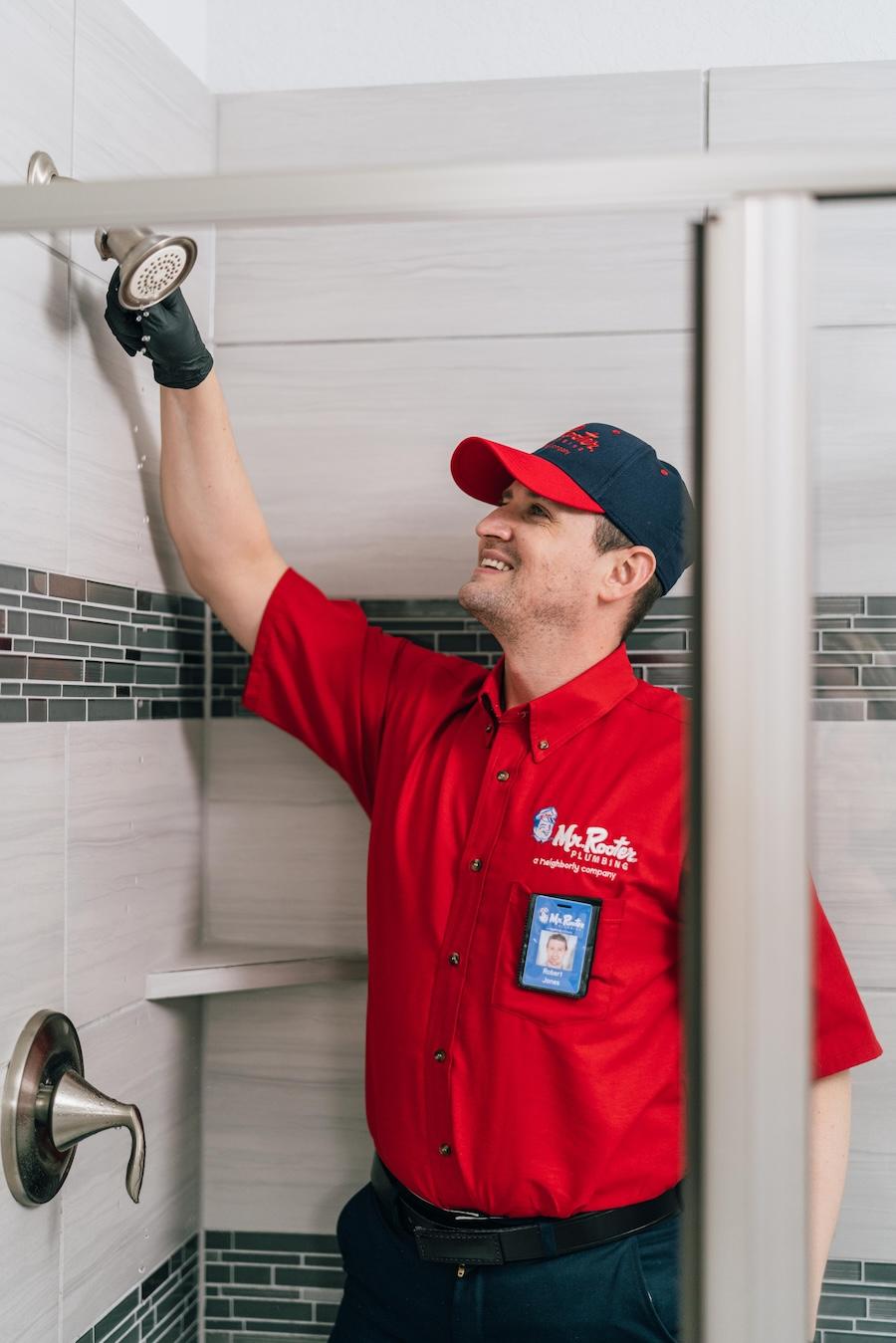
A showerhead that leaks ten drips per minute wastes roughly 500 gallons of water each year. When the leak comes from a hot water line, you're also paying to heat water that goes straight down the drain. Most dripping showerheads point to a worn washer, corroded valve seat, or failing O-ring inside the fixture. The rubber components that create watertight seals degrade over time, and mineral deposits from hard water accelerate that breakdown. A shower head replacement can solve the problem when the fixture has corroded beyond repair, but many cases just need a simple cartridge or washer swap. The real expense from ignoring a drip comes through your water bill and the damage that moisture causes to surrounding surfaces. Persistent dampness around your shower promotes mold growth behind tiles and inside drywall. Grout absorbs that moisture and begins to crack, which lets water seep into the wall cavity where you can't see it. Fixing a drip early costs a fraction of what you'll spend on water damage remediation.
When your shower swings from scalding hot to freezing cold without warning, the mixing valve has probably failed. This component blends hot and cold water to deliver the temperature you select, and its internal parts wear down with heavy use. A failing valve might also prevent you from reaching hot temperatures at all, leaving you with a lukewarm shower no matter how far you turn the handle. Temperature fluctuations can also trace back to your water heater. Sediment buildup in the tank reduces heating efficiency and causes inconsistent output. Before assuming your shower plumbing needs work, check if other hot water fixtures in your home show the same problem. If only the shower misbehaves, the issue is inside the valve. Pressure balancing valves regulate temperature by responding to changes in water pressure from other fixtures. When someone flushes a toilet, and your shower suddenly turns hot, the pressure-balancing mechanism has worn out. Replacing the cartridge inside your existing valve restores function without tearing out the entire assembly. A plumber in Wellington, FL can test the valve, measure water pressure, and determine whether you need a cartridge replacement or a full valve swap.
A shower that drains slowly leaves standing water that does some serious damage. It softens caulk and grout, gets into seams around the shower pan, and finds its way under your flooring. The usual culprits are hair, soap residue, and mineral scale collecting inside the drain pipe. The buildup restricts water flow until your drain can't keep pace with the water coming from the showerhead. Clearing a minor clog yourself with a drain snake can provide temporary relief, but recurring clogs point to a deeper problem. Your drain pipe might have developed scale buildup along its interior walls, or a partial blockage might sit further down the line where home tools can't reach. Professional drain cleaning uses hydro jetting or powered augers to clear the entire pipe and restore full flow. Ignoring slow drains risks water damage. When standing water lingers in your shower, it seeps through any small gap or crack in the waterproofing. This moisture reaches the subfloor beneath your shower pan and causes wood rot. The repair bill for replacing a rotted subfloor and damaged framing dwarfs the cost of clearing a slow drain when you first notice it.
Some shower problems hide behind walls where only a professional can reach them. A leak behind the wall might show up as a damp spot in an adjacent room, bubbling paint, or a musty smell you can't trace. These hidden leaks normally originate from supply lines, drain connections, or the valve body. Reaching them requires cutting an access hole through drywall or removing tiles to expose the shower plumbing. Cutting in the wrong location can damage pipes or create unnecessary expenses. A trained technician uses moisture meters and thermal imaging to pinpoint the leak source before making any cuts. After completing the repair, they patch the access point and restore the finished surface. Shower replacement in Wellington becomes the better choice when multiple components have failed or when water damage has compromised the shower pan and surrounding structure. Attempting to patch a pan that has cracked or lost its waterproof ability leads to repeated problems. In those situations, removing the entire shower unit and installing a new one costs less than chasing leak after leak through an aging system.
Your shower should deliver hot water, drain correctly, and keep moisture where it belongs. Contact Mr. Rooter Plumbing today to schedule shower repair in Wellington and get your shower back. Our licensed plumbers diagnose problems accurately, explain your options clearly, and complete repairs that last.
A new faucet or sink sounds like a quick upgrade…
Read More +Caring for your bathroom plumbing is a critical part…
Read More +The old water heater tucked away in your garage or…
Read More +Do you live in a flood-prone area? Is your sump…
Read More +