The old water heater tucked away in your garage or utility closet might be costing you a lot more than you realize. Every month, outdated units work overtime to keep up with your hot water demands, and the extra effort shows up directly on your energy bills. Mr. Rooter Plumbing can help. Homeowners are sometimes shocked to find out just how much money they're wasting on equipment that should have been replaced years ago, and how quickly the right upgrade pays for itself. If your unit is more than 10 years old, makes a ton of noise, or your energy bills keep creeping higher, upgrading your water heater could be the single most effective change you make this year. We're going to walk you through exactly where the wasted energy goes, what modern options are available, and how to figure out which solution makes the most sense for your home and budget.
Why Older Water Heaters Drain Your Wallet
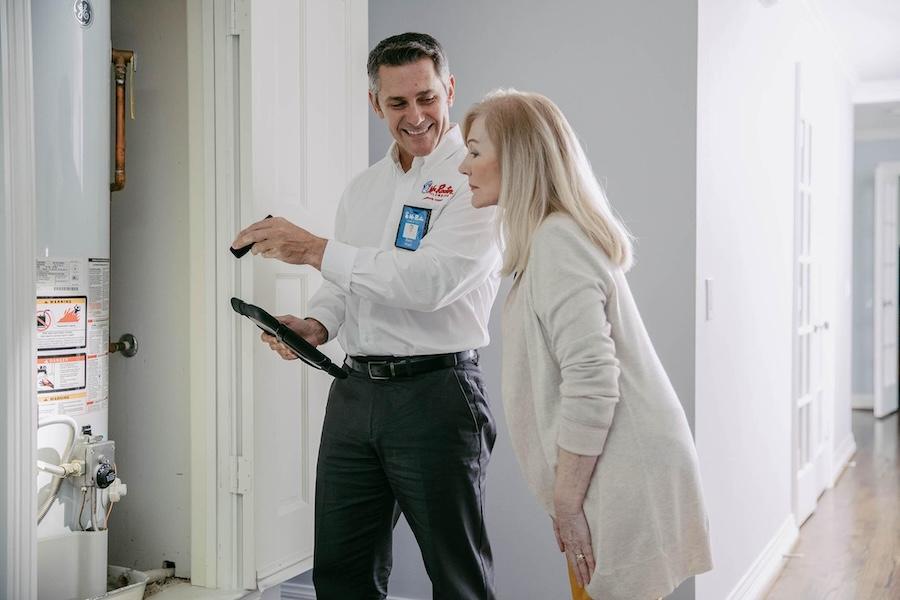
Water heaters manufactured a decade or more ago can't match the efficiency standards of current models. Back then, insulation was thinner, burners were less precise, and the technology prioritized low purchase prices over long-term operating costs. Today, an older unit loses heat through its walls around the clock. The tank cycles on repeatedly just to maintain temperature, even when nobody in the house uses a drop of hot water. This phenomenon is called standby heat loss, and it can account for 15 to 20 percent of your total water heating expenses. Older gas models also suffer from pilot lights that burn continuously and heat exchangers coated in mineral deposits. Electric models lose efficiency as heating elements corrode and thermostats drift out of calibration. A qualified plumber can inspect your current system and identify exactly how much efficiency you've lost over the years. A unit operating at 60 percent efficiency costs nearly twice as much to run as one operating at 95 percent efficiency for the same hot water output.
Tank vs. Tankless
Traditional tank water heaters store between 40 and 80 gallons of hot water at all times. They work well for households with predictable usage patterns, and modern versions have improved dramatically. Current tank models feature foam insulation two to three inches thick, electronic ignition instead of standing pilots, and glass-lined interiors that resist corrosion. These upgrades push efficiency ratings into the 67 to 70 percent range for gas and above 90 percent for electric. Tankless units heat water only when you turn on a faucet. Cold water flows through a heat exchanger and emerges hot within seconds. Because there's no stored water losing heat all day, tankless models achieve efficiency ratings between 80 and 99 percent. The Department of Energy estimates tankless units save the average household $100 to $150 annually compared to conventional tanks. They also last five to ten years longer. The tradeoff involves higher upfront costs and potential upgrades to gas lines or electrical panels. A plumber can recommend which type delivers the best return for your situation. For households that use 41 gallons or less daily, tankless models can cut water heating costs by 24 to 34 percent.
How Proper Sizing Affects Your Monthly Bills
Installing the wrong size water heater wastes money, regardless of how efficient the unit might be. Oversized tanks heat and store more water than your household needs. That extra capacity sits idle while you pay to heat water nobody will use before the next cycle kicks in. Undersized units create the opposite problem. The system runs constantly, trying to meet demand and never quite catches up. Recovery time stretches out, and the burner or heating elements operate at maximum capacity more than they should. Both scenarios inflate your utility bills and shorten equipment lifespan. Proper sizing requires calculating your household's peak hour demand. This measurement accounts for how many people shower in the morning and whether you run the dishwasher during that window. A family of four typically needs a tank with a first-hour rating between 60 and 80 gallons or a tankless unit capable of producing 7 to 10 gallons per minute. Your plumbing service provider in Coconut Creek can perform these calculations during a consultation and match you with equipment that runs efficiently without leaving anyone taking cold showers.
Understanding Energy Factor Ratings Before You Buy
Every water heater sold in the United States carries an Energy Guide label with standardized efficiency metrics. The traditional measurement, called Energy Factor or EF, rates how effectively a unit converts fuel into hot water. Higher numbers indicate better efficiency. Gas tank models typically score between 0.58 and 0.70, while tankless gas units range from 0.80 to 0.99. Electric tanks generally fall between 0.90 and 0.95, and heat pump water heaters can exceed 2.0 because they move heat rather than generate it directly. In 2015, the Department of Energy introduced a new metric called the Uniform Energy Factor or UEF. This updated measurement accounts for standby losses and real-world usage patterns more accurately than the original EF rating. When comparing models, make sure you're looking at the same rating type. A unit with a UEF of 0.93 outperforms one with a UEF of 0.82, but those numbers don't translate directly to older EF ratings. Spending time on these labels before you buy prevents expensive surprises on your first utility bill. Even a small difference in efficiency ratings compounds over the 10 to 15-year lifespan of your equipment.
Making the Upgrade Work for You
Replacing your water heater doesn't have to mean emergency spending after a catastrophic failure. Planning ahead lets you research options, compare efficiency ratings, and budget appropriately. Waiting until your basement floods or you wake up to ice-cold showers limits your choices and increases costs. Emergency water heater repair or rushed replacement rarely results in the most economical long-term decision. Many utility companies and state programs offer rebates for installing high-efficiency models. Federal tax credits also apply to certain qualifying equipment, including heat pump water heaters and solar thermal systems. These incentives can offset 20 to 30 percent of your total installation cost. A professional plumbing service can help you navigate available programs and ensure your installation meets all requirements for rebate eligibility.
Do You Need Help From Reliable Local Plumbers?
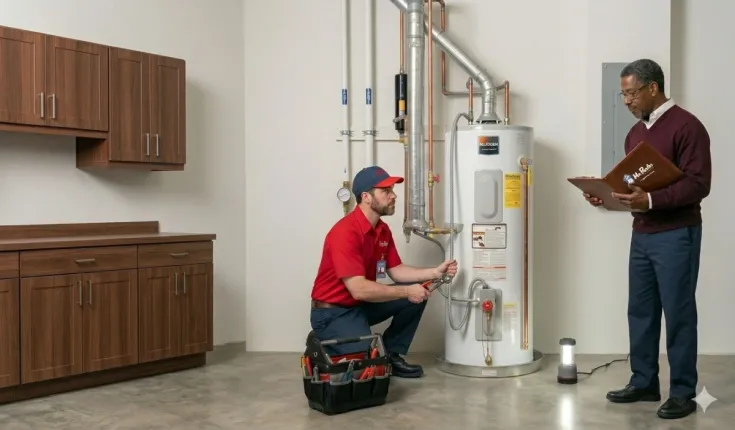
When you're ready to stop overpaying for hot water, contact Mr. Rooter Plumbing to schedule an assessment. Our technicians will evaluate your current system, calculate your household's actual needs, and present options that fit your budget. We handle water heater repair for units worth saving and recommend replacement when the numbers make sense. Every installation meets local codes and manufacturer specifications. You deserve equipment that works efficiently without driving up your monthly bills. Call today or book online to take the first step toward lower energy costs.